

Nutrient Impairment Modeling Tool
Water Environment Research Foundation
Project
Highlights
- Nutrient management modeling tool.
- Designed for States and NPDES permit holders to set nutrient criteria.
PROJECT GOALS, ACHIEVEMENTS, AND BENEFITS
McGovern McDonald Engineers assisted in the development of a modeling tool for use by States and National Pollutant Discharge Elimination System (NPDES) permit holders to link nutrient management strategies to response indicators. The tool helps to identify appropriate regulatory mechanisms to project aquatic life designated uses in waterways. Ultimately, the research provides guidance and tools for the use of models to set waterbody-specific nutrient goals, including Numeric Nutrient Criteria and allowable nutrient loadings.
(WERF Project #1490)

Development of a Low Impact Development (LID) Life Cycle Cost Benefit model that determines the costs and benefits of stormwater measures to both the customer and for the SFPUC.

Assessed the methylation potential and bioavailability of mercury discharged from point sources for the Water Environment Research Federation (WERF).

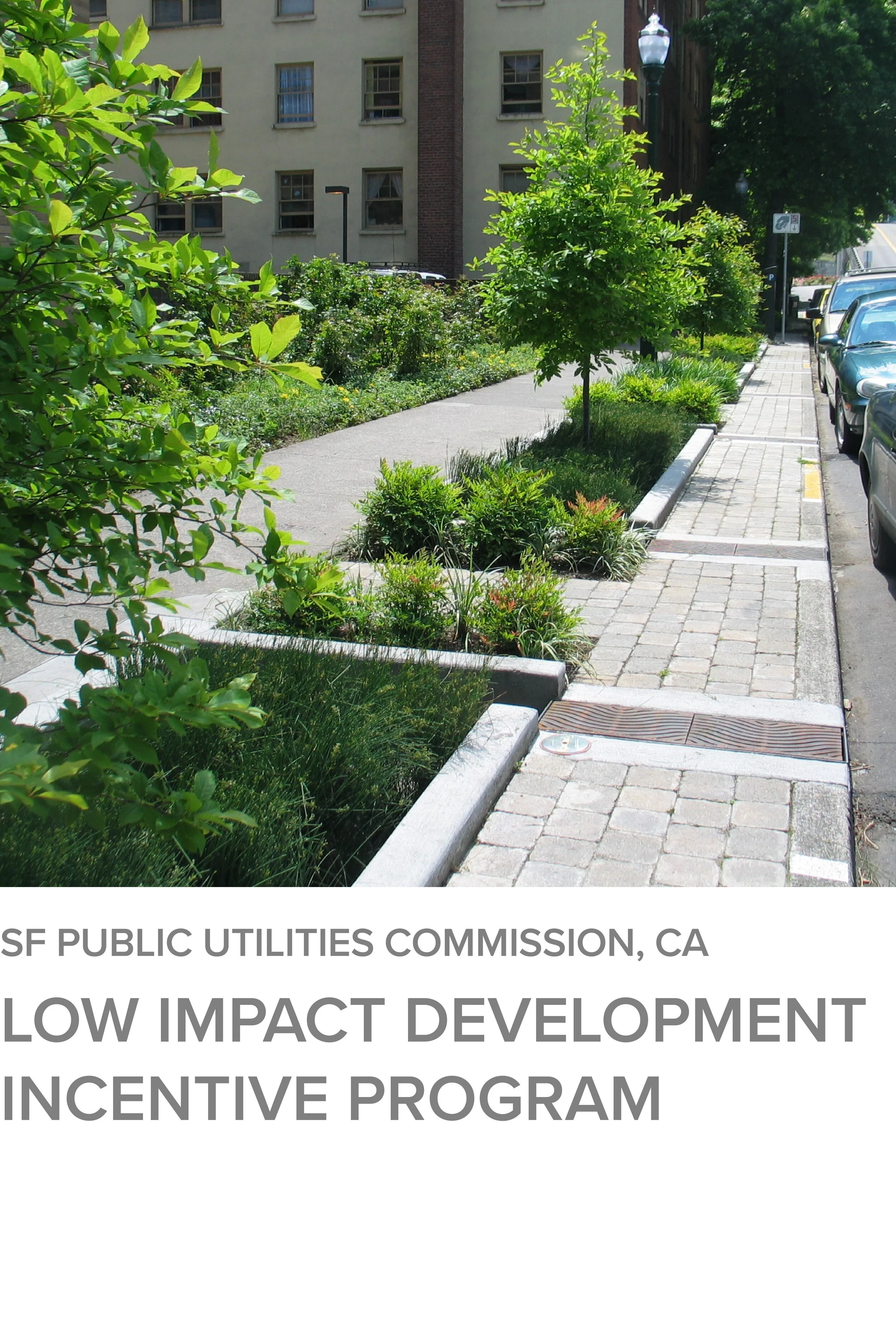
Identified stormwater and recycled water cost and benefits to the customer and SFPUC with implementation of LID techniques.

Development of stormwater best management practice O&M life cycle costs for street installation as part of the San Francisco Better Streets Plan.
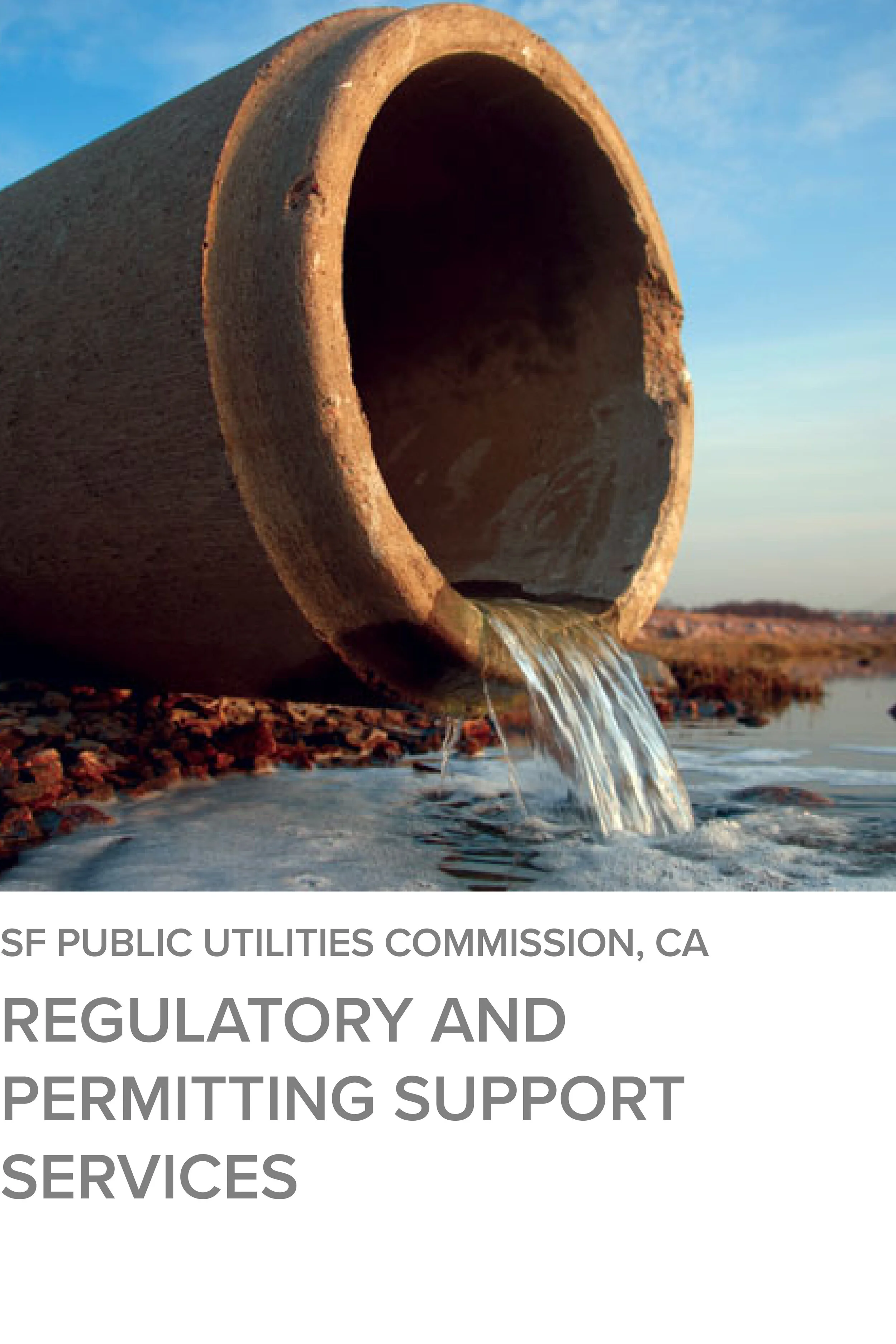
Provided NPDES regulatory and permitting support for treated wastewater and stormwater discharges and Combined Sewer Overflows (CSOs) to the Bay and Pacific Ocean.
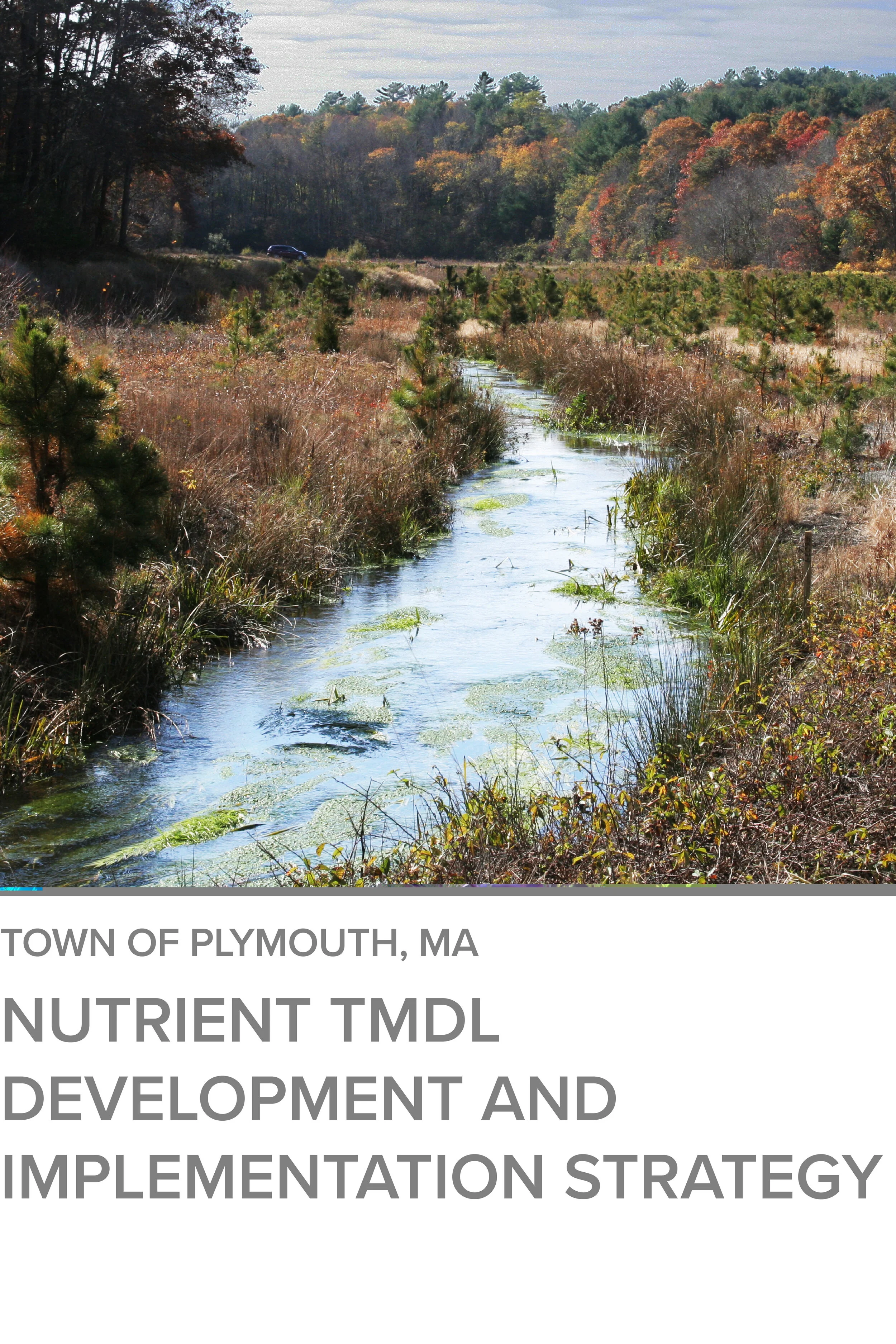
Development of a modeling tool for States and NPDES permit holders to assist nutrient management strategies for the Water Environment Research Federation.

Reviewed NPDES stormwater documents for transfer from private to SFPUC authority and recommended future monitoring program improvements for the SFPUC’s Mission Bay Development.