

Nutrient TMDL Development and Implementation
Town of Plymouth, MA
Project
Highlights
- Nutrient management strategy.
- TMDL considerations.
- Stakeholder coordination.
PROJECT GOALS, ACHIEVEMENTS, AND BENEFITS
McGovern McDonald Engineers coordinated with the Town of Plymouth, stakeholders, project developers, and regulators to develop a nutrient management strategy in coordination with total maximum daily load (TMDL) development and implementation. Options evaluated included trading and banking program for the Eel River Watershed, development of ordinances, stormwater control measures, etc. The Town of Plymouth proactively stepped forward, navigating legal boundaries to impose restrictions, ordinance, or incentive programs on point and non-point nutrient dischargers to the watershed. Identifying watershed projects, quantifying nutrient loads, developing a regulatory framework for banking, placing a value on nutrient credits/loads, and gaining consensus from all involved parties were just a few of the challenges in this project.

Development of a Low Impact Development (LID) Life Cycle Cost Benefit model that determines the costs and benefits of stormwater measures to both the customer and for the SFPUC.

Assessed the methylation potential and bioavailability of mercury discharged from point sources for the Water Environment Research Federation (WERF).

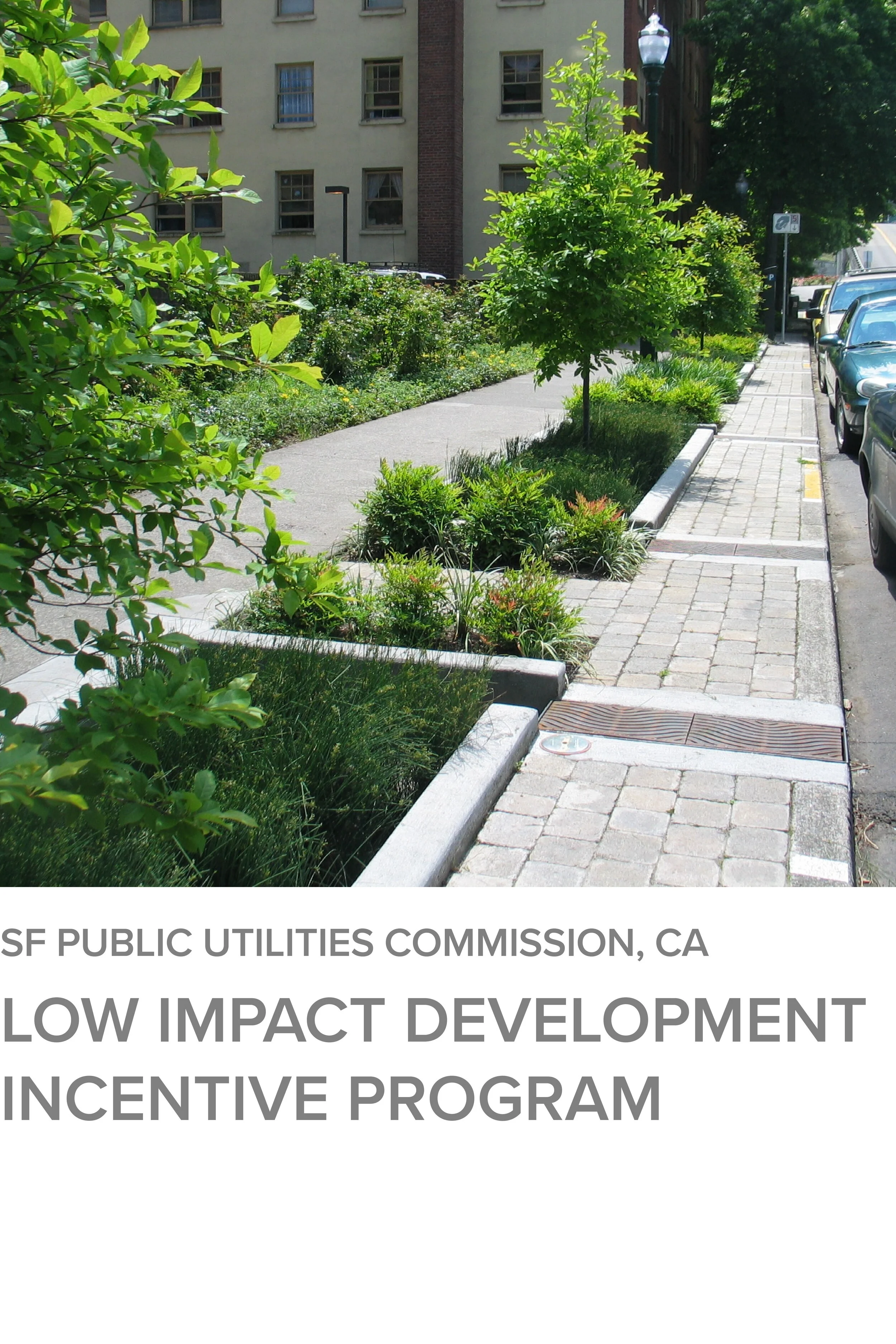
Identified stormwater and recycled water cost and benefits to the customer and SFPUC with implementation of LID techniques.
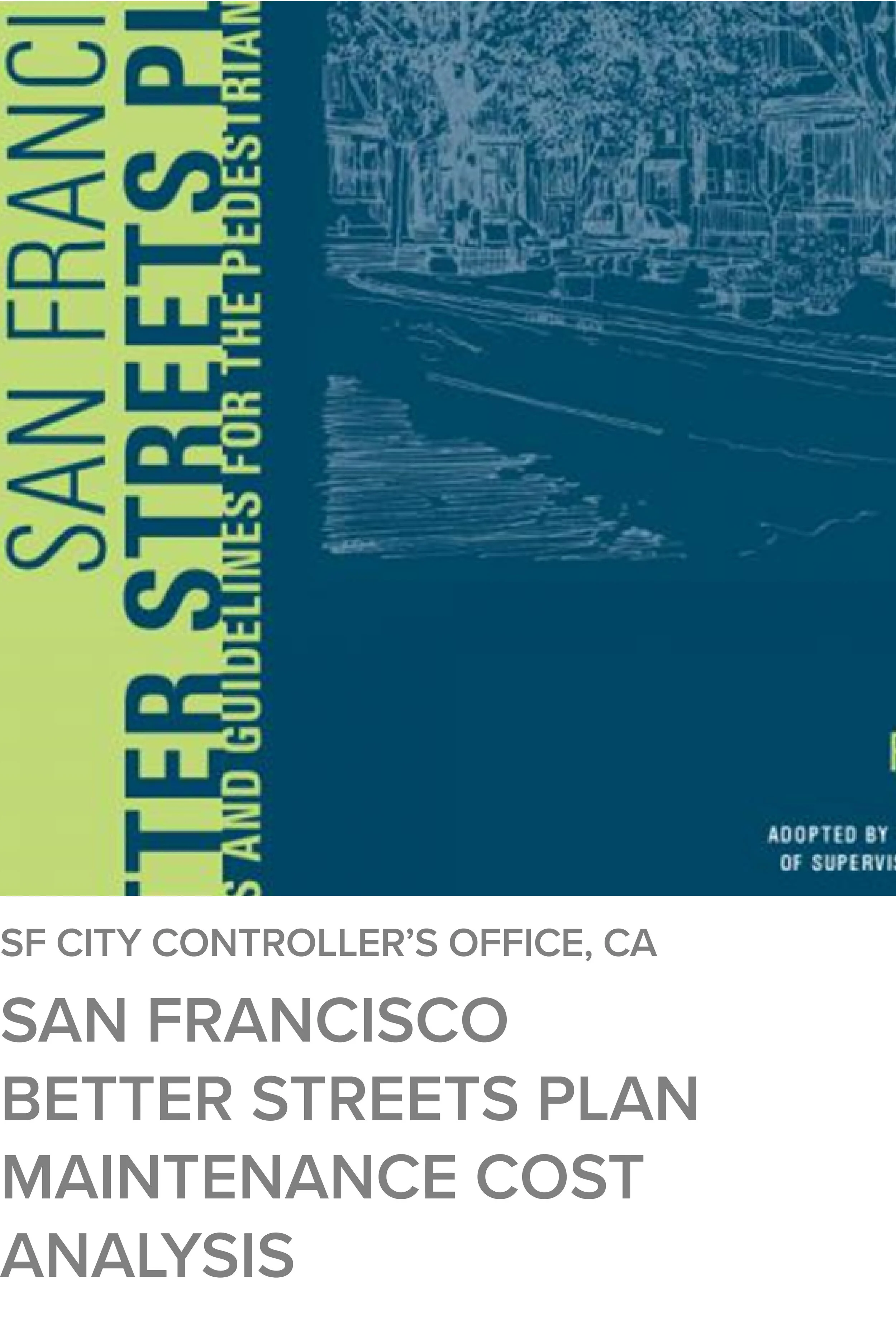
Development of stormwater best management practice O&M life cycle costs for street installation as part of the San Francisco Better Streets Plan.
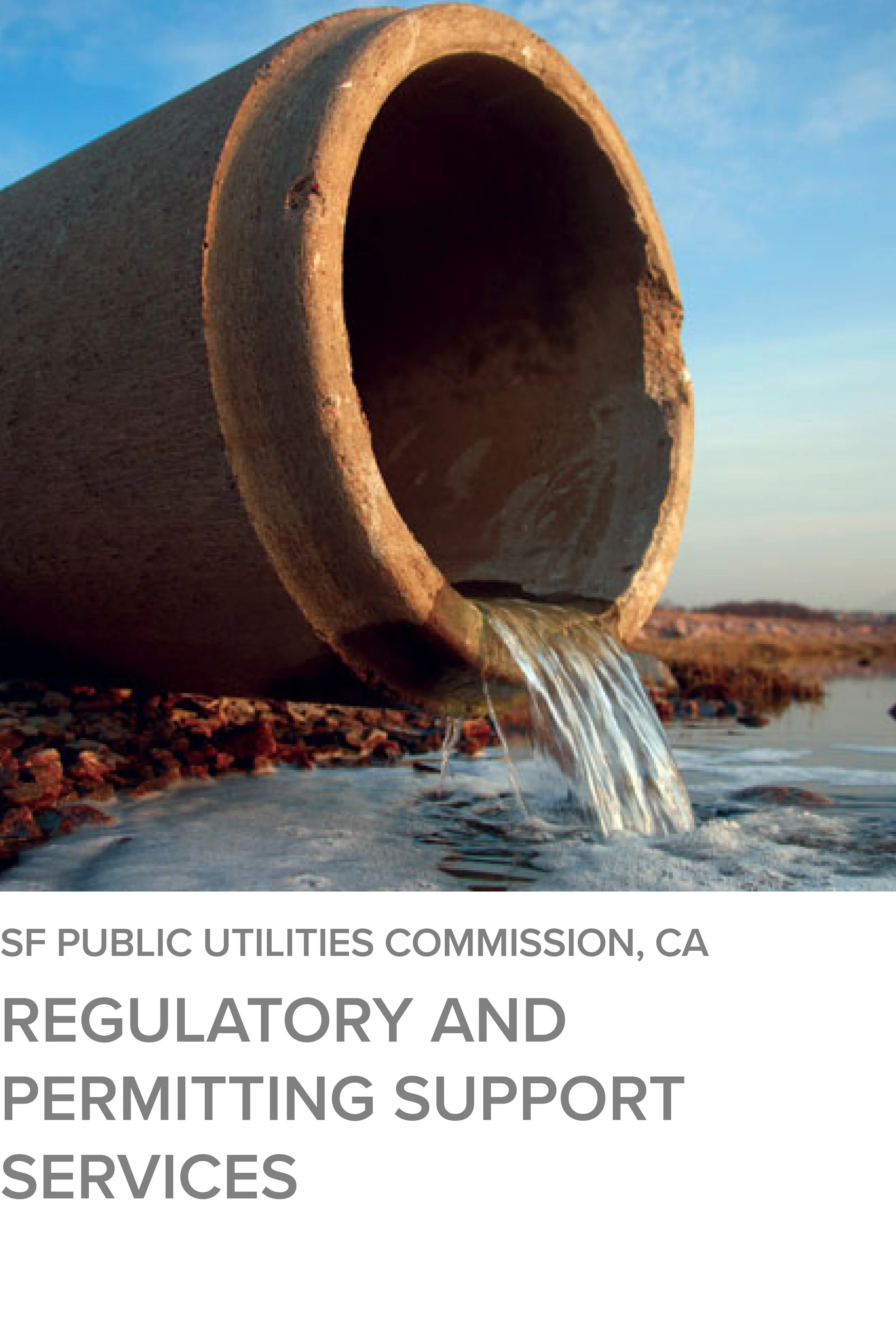
Provided NPDES regulatory and permitting support for treated wastewater and stormwater discharges and Combined Sewer Overflows (CSOs) to the Bay and Pacific Ocean.
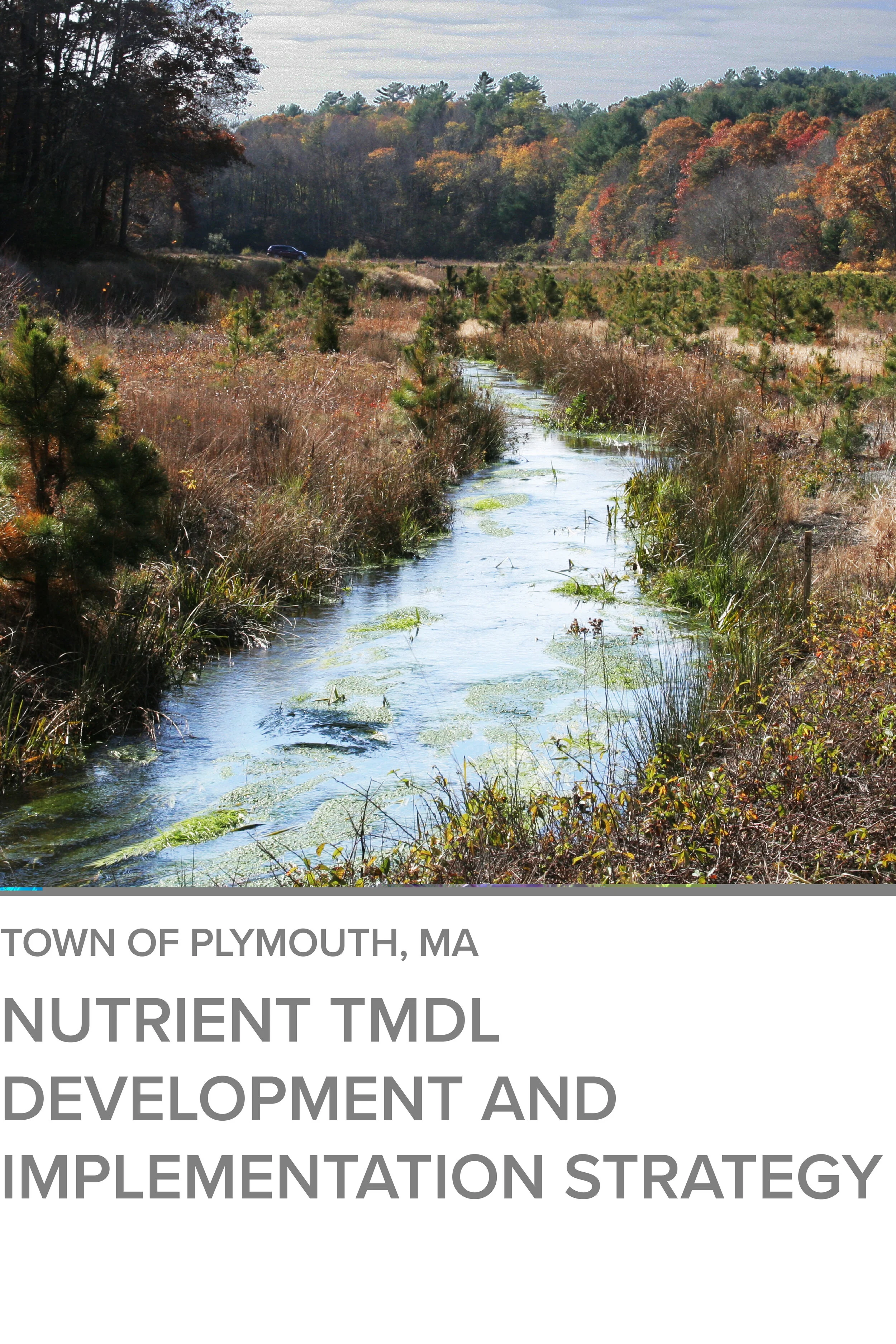
Development of a modeling tool for States and NPDES permit holders to assist nutrient management strategies for the Water Environment Research Federation.
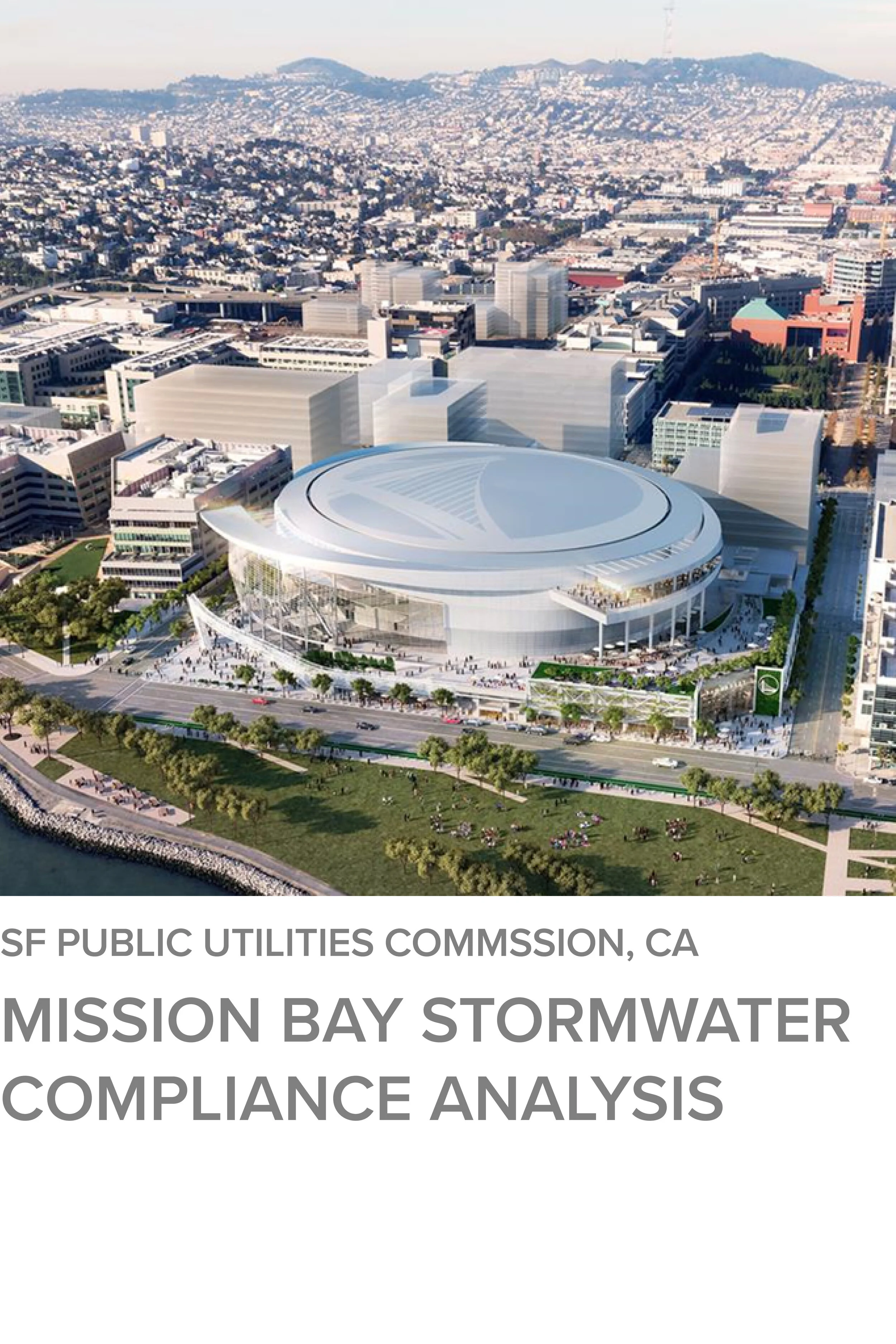
Reviewed NPDES stormwater documents for transfer from private to SFPUC authority and recommended future monitoring program improvements for the SFPUC’s Mission Bay Development.